
The Human Body by Tinybop — a hand-drawn, no-rules anatomy toy with top-tier privacy, but reading-gated: 7+ badged 4+
Tinybop, $3.99 buy-once, one IAP, no ads, clean privacy. Kelli Anderson’s 200+ hand drawings make it the calmest anatomy app around — but no instructions, reading-gated labels, Apple 4+ vs CSM 7+, and the sound broke after a rewrite.


Latest reviews
All reviews →The Human Body by Tinybop — a hand-drawn, no-rules anatomy toy with top-tier privacy, but reading-gated: 7+ badged 4+
Tinybop, $3.99 buy-once, one IAP, no ads, clean privacy. Kelli Anderson’s 200+ hand drawings make it the calmest anatomy app around — but no instructions, reading-gated labels, Apple 4+ vs CSM 7+, and the sound broke after a rewrite.

Hooked on Phonics Learning — a genuine systematic-phonics engine drilling 2 of reading’s 5 pillars, cancel button hidden
Free 7-day trial then an auto-renew subscription (up to $79.99/yr) + a Practice-Pack upsell. Systematic phonics that genuinely teaches decoding — but thin on comprehension, an arcade that hijacks lessons, and a documented cancel-maze.

Overcooked — the couch co-op every other on this shelf descends from, the hardest of them: BAFTA winner, no Assist Mode
Ghost Town Games / Team17, 2016. 1–4-player couch co-op cooking chaos. ESRB E, $16.99, no IAP/ads/online strangers. BAFTA Best Family Game — but the original has no Assist Mode and no online: the least kid-forgiving entry in its own series.

The Monster at the End of This Book — the page-turn was always the villain, and the app keeps Grover’s metafiction
Sesame Workshop, $4.99, no IAP/ads. The canonical interactive picture book (Jon Stone, 1971; ~13M copies). Grover’s voice and the metaphor survive the screen — but minigames and a page-lag soften the dread the paper builds in the page-turn.
Best of right now
See lists →No-subscription learning apps for kids 2–8
Seven apps for kids 2–8 that teach something real and never come back with a monthly bill. Four are truly free with no IAP whatsoever (Khan Academy Kids, PBS KIDS Games, ScratchJr, Duolingo ABC) and three are one-time purchases priced $2.99–$8.99 (Robot Factory by Tinybop, Stack the States, Teach Your Monster to Read). Subscription-model apps are deliberately excluded — even the ones we like in their lane (Pok Pok, Sago Mini, Reading Eggs, Mussila). The line we drew: pay once or not at all, and never wonder when the renewal hits. Every claim below cites a real public source.
Why we rejected these popular apps for kids
Seven popular apps for kids 2–8 we cannot recommend, ordered worst to best. The thread that runs through every rejection: monetization pressure aimed directly at children, ad density that overrides gameplay, or design patterns that exploit a kid's developmental window. Every claim below cites a real public source — App Store reviews, FTC complaints filed by child advocacy groups, regulatory analysis, news coverage, parent forums, and the developers' own privacy disclosures. We compiled this list because parents Google "is X safe for kids" before they download, and the source-cited research was already sitting in our archive. This is the consolidated answer.
First board games for kids 4–6 — no meltdown
Seven first-board-game picks for kids 4 to 6 — the ones that win the table without ending in tears. The dexterity games are fun whether you knock the tower over or not. The co-op picks make the kid play with you, not against you. The competitive picks are short enough that losing doesn't sting. No Candy Land randomness, no 90-minute slogs, no mechanics that punish the kid who's just learning to take turns.
Phonics apps that actually teach phonics
Most apps marketed as 'learn to read' teach letter names, not letter sounds — that's literacy theater, not literacy. These six pick mechanics that map sounds to symbols the way kindergarten and Reception curricula actually do.
What our editors are reading

Tinybop, $3.99 buy-once, one IAP, no ads, clean privacy. Kelli Anderson’s 200+ hand drawings make it the calmest anatomy app around — but no instructions, reading-gated labels, Apple 4+ vs CSM 7+, and the sound broke after a rewrite.
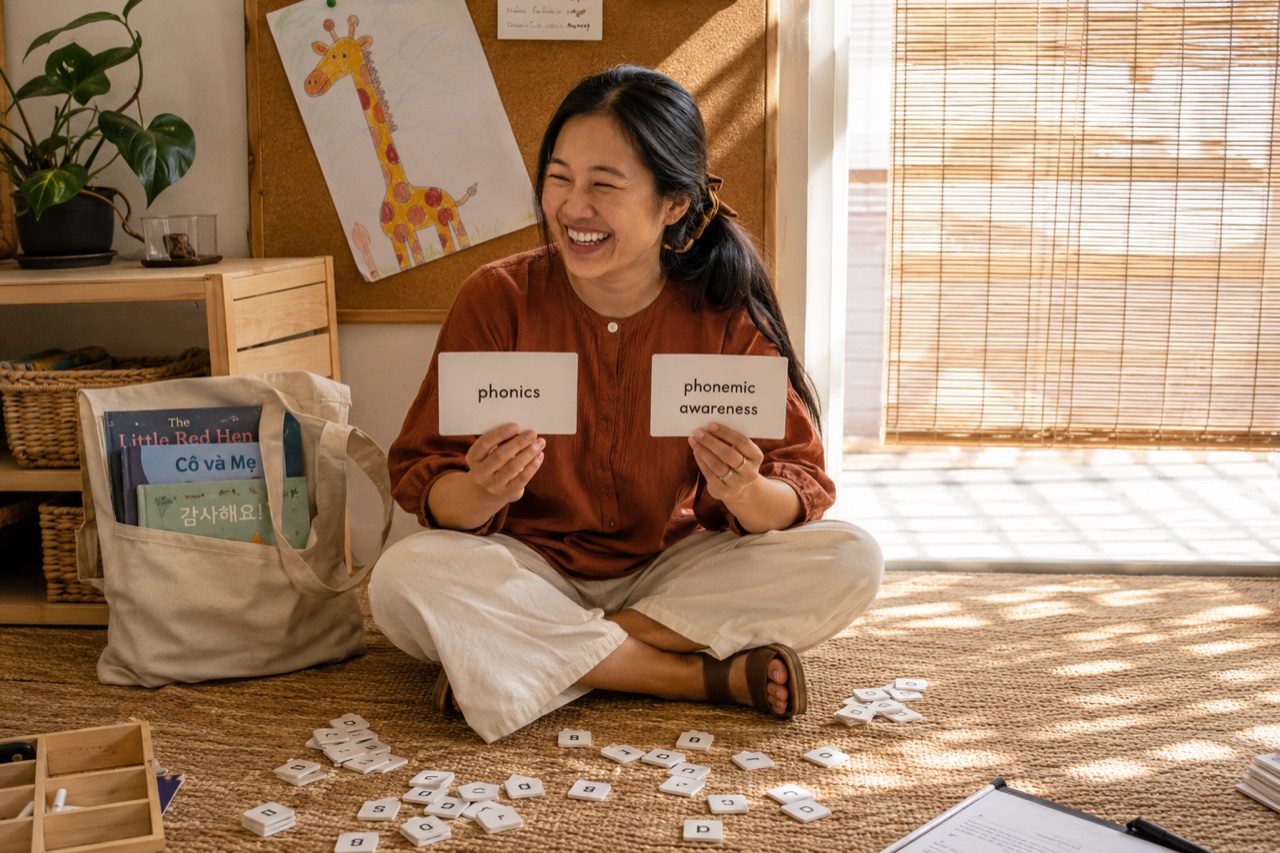
Free 7-day trial then an auto-renew subscription (up to $79.99/yr) + a Practice-Pack upsell. Systematic phonics that genuinely teaches decoding — but thin on comprehension, an arcade that hijacks lessons, and a documented cancel-maze.

Ghost Town Games / Team17, 2016. 1–4-player couch co-op cooking chaos. ESRB E, $16.99, no IAP/ads/online strangers. BAFTA Best Family Game — but the original has no Assist Mode and no online: the least kid-forgiving entry in its own series.

Sesame Workshop, $4.99, no IAP/ads. The canonical interactive picture book (Jon Stone, 1971; ~13M copies). Grover’s voice and the metaphor survive the screen — but minigames and a page-lag soften the dread the paper builds in the page-turn.
For parents
How we curate reviews
The 280-char excerpt cap, the contrarian-con rule, the no-payment promise. Read this first.
Five apps that don't ask your kid for money
No-IAP, no-ads picks. Toca Boca World deliberately excluded.
Guides roadmap
Six guides committed to the editorial backlog, shipping as the catalog grows.